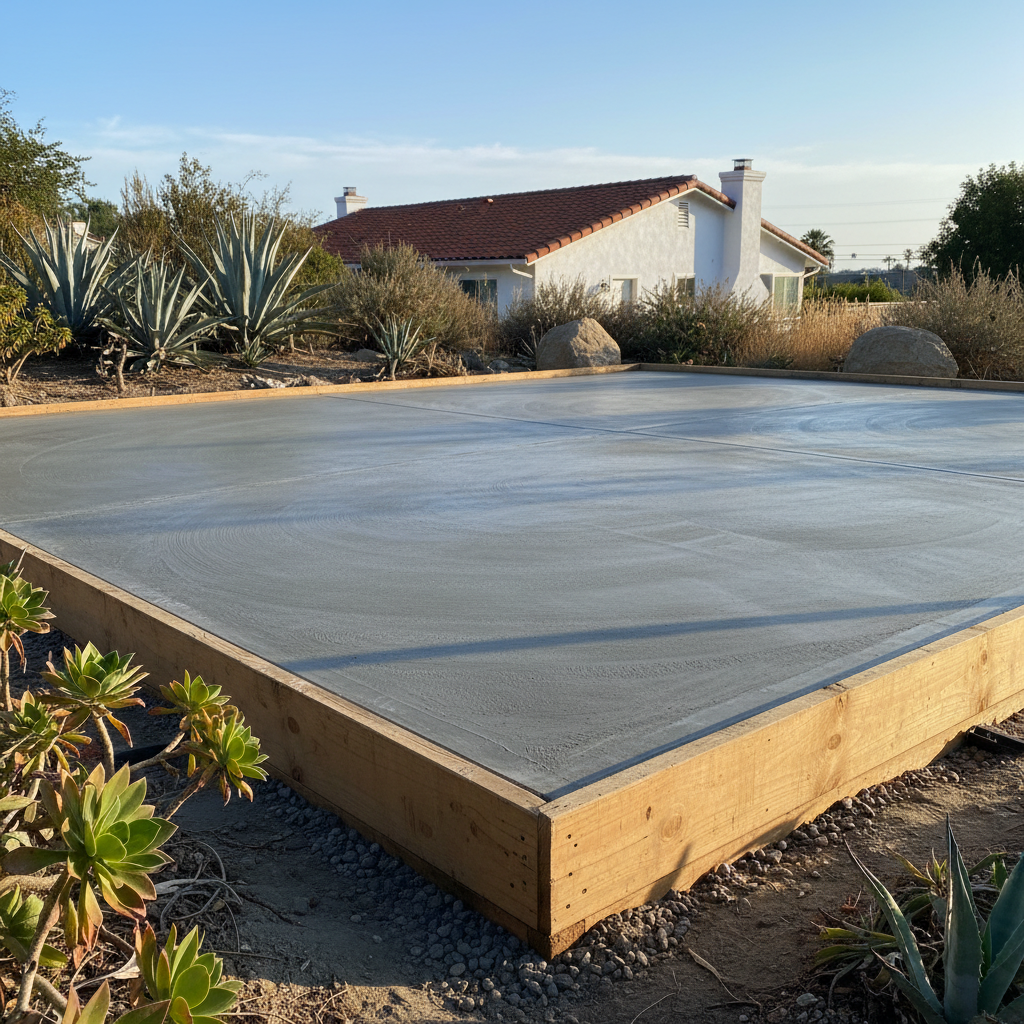
Alright, so you're thinking about adding an ADU to your San Diego property. That's a smart move, especially with the way housing is going here. But before you get all wrapped up in floor plans and finishes, there's a crucial first step: checking out your site. Seriously, this isn't something you want to skip or rush. A good site assessment can save you a ton of headaches and cash down the line. It's about understanding what you're working with, what you can realistically do yourself, and when it's time to bring in the big guns.
Before You Call Anyone: Your DIY Site Recon
You'd be surprised how much you can figure out just by walking your own yard with a critical eye. This isn't about engineering reports yet, it's about getting a lay of the land.
- Measure Your Space: Grab a tape measure, or even better, a laser distance measurer. Walk the perimeter of your property. Measure setbacks from your existing house, fences, and property lines. You need to know how much usable space you actually have. Remember, there are specific setback requirements for ADUs in San Diego, often as little as 4 feet from side and rear property lines, but it's not always that simple.
- Look for Obstacles: Are there big trees you love (or hate) that are right where you want to build? Old sheds? Utility boxes or lines? Don't forget about underground stuff – sprinkler systems, old foundations, maybe even a septic tank if you're in an older area like parts of El Cajon. These things aren't necessarily deal-breakers, but they're definitely things to note.
- Check the Slope: Is your yard flat as a pancake, or does it have a noticeable slope? A sloped lot means more complex foundation work, retaining walls, and drainage considerations. You can eyeball this, but also look for signs of erosion or areas where water tends to pool after a good rain.
- Observe Drainage: Where does water go when it rains? Does it flow away from your house? Does it collect in certain spots? You don't want your new ADU sitting in a swamp. Pay attention to downspouts and existing drainage systems.
- Utility Access: Where are your main sewer, water, gas, and electrical lines? Your ADU will need to connect to these. Sometimes extending them is easy; other times, it's a major excavation project. Look for manholes, water meters, electrical panels, and gas meters.
This initial walkthrough gives you a solid base of information. You're not trying to be an engineer, just an observant homeowner.
When It's Time to Bring in the Pros: The Real Assessment
Once you've done your homework, you'll have a much clearer picture. This is when you start calling folks like us at San Diego ADU Solutions, or an architect, or a civil engineer. Here's what they'll be looking at, and why you need their expertise:
- Topographical Survey: This is a detailed map of your property. It shows elevations, contours, existing structures, trees, and utility locations. You can't do this accurately yourself. It's essential for proper design and grading plans.
- Geotechnical Report (Soil Test): This is huge in San Diego, especially with our varied geology – from sandy coastal areas to the clay-rich soils further inland. A geotech engineer will take soil samples to determine its bearing capacity, stability, and potential for expansion or liquefaction. Building on unstable soil without proper engineering is just asking for trouble. This isn't optional; it's a safety and structural necessity.
- Utility Confirmation: A professional will confirm the exact locations and capacities of your existing utilities. Can your current electrical panel handle an ADU? Is your sewer line big enough? Sometimes, you'll need upgrades to the main service, which can be a significant cost.
- Drainage and Stormwater Management: This goes beyond just observing where water pools. Engineers will design a proper drainage plan to ensure water flows away from your ADU and doesn't cause issues for your property or your neighbors. San Diego has strict stormwater regulations.
- Zoning and Code Review: While you can look up basic zoning yourself, a professional will dive deep into the specific requirements for your lot. This includes fire access, parking, and any specific overlays or historical district considerations that might apply. They know the ins and outs of the City of San Diego's ADU ordinance.
Don't try to skimp on these professional assessments. They're not just about getting permits; they're about making sure your ADU is built safely, correctly, and lasts for decades.
During the Project: Keeping an Eye on the Site
Even once construction starts, the site assessment isn't entirely over. You'll have your contractor, inspectors, and engineers on site, but it doesn't hurt for you to be aware of what's happening.
- Foundation Prep: Watch how they prepare the foundation. Is the soil properly compacted? Are they following the engineer's recommendations for rebar and concrete?
- Drainage Installation: Make sure the drainage systems are being installed as planned. Proper grading around the foundation is critical.
- Utility Connections: Observe the utility hookups. Are they clean, secure, and up to code?
Your contractor will be managing most of this, but staying informed helps you understand the process and ensures things are being done right. It's your property, after all.
After Completion: Ongoing Site Awareness
Even after the ADU is built, your site assessment duties aren't completely done. You're now the caretaker.
- Monitor Drainage: Especially during our winter rains, keep an eye on how water flows around your new ADU. Are there any new pooling areas? Is your landscaping directing water away from the foundation?
- Landscaping Impact: Be mindful of how new landscaping might affect drainage or foundation stability. Don't plant large trees too close to the foundation without considering their root systems.
- Maintenance: Keep gutters clean, ensure downspouts are clear, and address any erosion issues promptly.
An ADU is a big investment, and understanding your site is the first, most fundamental step. Do your homework, know your limits, and bring in the right experts when you need them. It'll make the whole process smoother and give you a solid, long-lasting addition to your San Diego home.