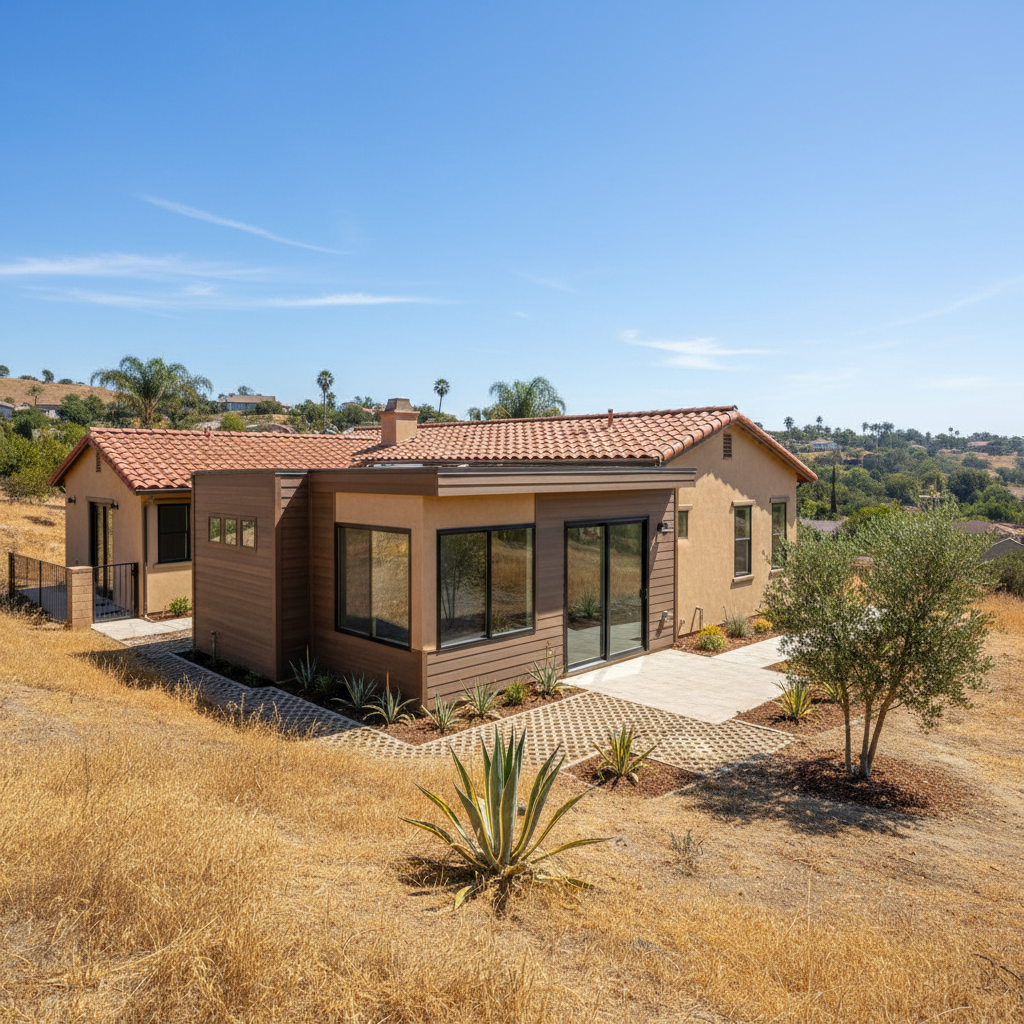
Attached ADU Builds: When's the Best Time in San Diego?
Thinking about adding an attached ADU to your San Diego property? That's a smart move, no doubt. But hold on a sec before you dive in; let's talk about the best time to start. See, unlike detached units, which offer a bit more wiggle room, an attached ADU connects right to your existing home. That means we've got a whole different set of things to consider, especially with our unique San Diego weather.
Now, you probably figure San Diego is always sunny, and mostly, you'd be right. Still, we definitely have our seasons, and those can really affect how long a construction project takes. This is especially true when we're dealing with structural connections, waterproofing, and all those exterior finishes. Generally, the sweet spot for breaking ground on an attached ADU project is late spring right through early fall. Why then? Well, that's when we get the most predictable dry weather. We're talking way less chance of those "June Gloom" or "May Gray" conditions sticking around all day, and certainly fewer nasty surprises from winter rains.
Don't get me wrong, we build year-round. We've tackled plenty of projects in every single month. But if you have the luxury of planning ahead, aiming for that drier window can really help keep things humming along smoothly. It just cuts down on delays related to stucco drying, foundation work, or roofing. Nobody wants to see their new addition sitting exposed to a sudden downpour, even if we've got it covered, right?
Weather Worries: How SD's Climate Affects Your Attached ADU Project
Our San Diego climate is pretty mild, sure, but it's got its quirks. For an attached ADU, here are the main things we're always keeping an eye on:
- Rain: This is the big one. When we're cutting into your existing home's roof or exterior walls to make that connection truly seamless, we absolutely need dry conditions. Even a light drizzle can stop exterior work dead in its tracks, especially framing, sheathing, and roofing. Protecting your main house from any water intrusion is our top priority. Heavy rains can also turn a trench into a muddy mess, which means delays for foundation pours.
- Humidity: Not as dramatic as rain, but high humidity can definitely slow down drying times for stuff like stucco, paint, and even some interior finishes. It's usually not a showstopper, but it might add a day or two here and there.
- Heat: Our summers can get pretty hot, particularly inland. Intense heat impacts how concrete cures and can make working conditions tough for our crews, often leading to shorter workdays. It also means we're extra careful about where we store materials – you wouldn't want lumber warping or adhesives getting too hot.
- Coastal Fog/Dampness: If you're building closer to the coast, say in Ocean Beach or Encinitas, that persistent marine layer brings a lot of moisture. It's similar to humidity in how it affects drying times, but it's a more consistent factor in those specific areas.
We always plan for these conditions, believe me. We use tarps, temporary roofs, and smart scheduling to lessen the risks. But understanding these factors helps you see why sometimes we just have to pause or shift things around a bit.
Protecting Your Attached ADU Investment Year-Round
Once your attached ADU is built, you'll want to keep it looking great and working perfectly for years to come. Here's what I tell all my clients at San Diego ADU Solutions:
- Regular Gutter Cleaning: This is huge, especially if your ADU shares a roofline with your main house. Clogged gutters can cause water to back up, leading to damaged fascia, roof leaks, and even foundation issues. Do this at least twice a year, or after any big Santa Ana wind event that kicks up a lot of leaves.
- Check for Cracks: San Diego's expansive clay soils can shift, and while we build everything to code, sometimes small hairline cracks might show up in stucco or concrete over time. Usually, it's not a huge deal, but patching them up quickly is smart; it stops water from getting in.
- Inspect Sealants: Take a look at the caulking around your windows, doors, and any spots where things poke through the exterior walls. Our sun can really break these down over time. Reapply as needed to keep everything watertight.
- HVAC Maintenance: Your ADU's HVAC system works hard all year. Get it serviced annually. It'll run more efficiently and last longer, which saves you money on energy bills and repairs.
- Landscaping & Drainage: Make sure your landscaping isn't sending water toward your ADU's foundation. Keep the ground sloped away from the structure. Also, trim plants back from the walls to prevent moisture buildup and keep pests from finding a way in.
An attached ADU is a fantastic addition to any San Diego home, whether you're using it for family, rental income, or a home office. Planning for our local climate, both during construction and for the long haul of maintenance, is just part of being a smart homeowner here. It's all about protecting that investment and really enjoying your new space without any headaches.