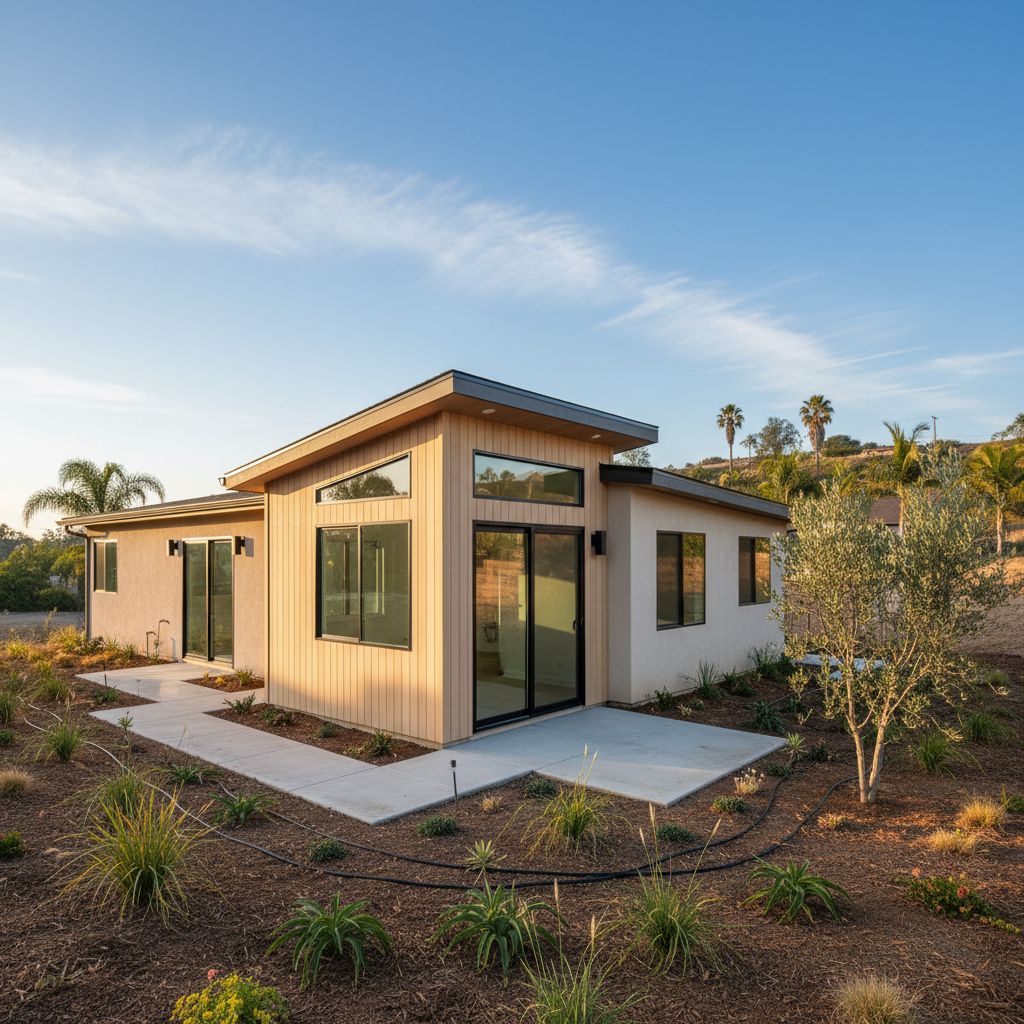
Thinking about an attached ADU, are we? Or maybe you've already got one. That's a smart move for extra space or rental income here in San Diego, no doubt. But let me tell you, building and then keeping up an attached unit is a bit different from a detached one, especially with our unique weather patterns. It's not just about the build itself; it's really about making sure that connection to your main house stays solid and problem-free for years to come.
When to Schedule Your Attached ADU Project
Timing is everything, right? For attached ADUs, it's even more critical because you're literally tying into your existing home's structure and systems. The absolute best time to break ground, in my experience, is late spring through early fall. Think May to October. Why then? Because that's when we get our most consistent dry weather. We don't have the heavy, unpredictable downpours you see in other parts of the country, but our 'rainy season' from November to April can still throw a wrench in things.
When you're cutting into an existing wall, connecting plumbing, or extending electrical, you definitely don't want unexpected rain. Even a light drizzle can slow things down, and a real storm? Oh, that can cause major headaches, including water getting into your main house during construction. Imagine having a big hole in your wall and then a surprise December rainstorm. Not fun, is it? Scheduling during the dry months minimizes these risks, keeps the project moving, and protects your primary residence from exposure.
Weather Conditions That Impact the Work
San Diego's climate is mostly mild, but it's not without its quirks. For an attached ADU, you've got to think about a few things beyond just rain:
- Humidity and Moisture: Even when it's not raining, our coastal humidity can be a factor. When we're doing framing, drywall, or stucco, you want conditions that let materials dry properly. High humidity can slow curing times for concrete and stucco, and it can affect how wood dries, potentially leading to issues down the road if we don't manage it correctly.
- Our Famous Marine Layer: You know our 'June Gloom' and 'May Gray'? That persistent marine layer can bring cooler temperatures and higher humidity, even without rain. It's not usually a showstopper, but it's something we always account for, especially with exterior finishes.
- Wind: We get some pretty strong Santa Ana winds, usually in the fall. While they're dry, they can kick up a lot of dust and make exterior work like painting or stucco application tricky. They can also be a safety concern when you're working on roofs or with large panels, which, you know, is important.
A good contractor, like us at San Diego ADU Solutions, will always be thinking about these things and how they impact your project's schedule and quality. We've seen it all, from unexpected sprinkles to those intense Santa Anas that feel like a blow dryer.
Protecting Your Attached ADU Investment Year-Round
Once your attached ADU is built, the work isn't over. You've made a significant investment, and you want it to last. Because it's connected to your main house, maintenance on the ADU often impacts the whole structure. Here's what I tell folks:
- Check Those Connection Points: This is huge. The areas where your ADU ties into the main house – rooflines, wall junctions, foundation – are critical. Twice a year, do a walk-around. Look for cracks in stucco, gaps in flashing, or signs of water staining. After a heavy rain, pay extra attention. These are the most common spots for leaks to develop if they're not sealed properly or if materials shift over time.
- Gutters and Drainage: Our occasional heavy rains can overwhelm clogged gutters fast. Make sure your ADU's gutters, and the main house's gutters near the ADU, are clear of leaves and debris, especially before and after our winter rainy season. Good drainage away from the foundation is non-negotiable.
- Ventilation is Key: San Diego's mild climate often means we keep windows open, but in an attached unit, especially if it's smaller, good airflow is important to prevent moisture buildup, particularly in bathrooms and kitchens. Make sure exhaust fans are working and used regularly.
- Pest Control: Our climate is great for us, but also for critters. Ants, spiders, and even rodents can find their way into small cracks. Regular pest control around the perimeter, especially where the two structures meet, can save you a lot of grief.
- Roof Maintenance: Just like your main house, the ADU's roof needs attention. Check for missing shingles, cracked tiles, or worn flashing. The roof junction where the ADU meets the main house is a prime spot for issues if not properly maintained.
Don't wait for a problem to become a big one. A little proactive maintenance goes a long way in San Diego. It's about keeping that attached unit, and by extension, your whole property, in top shape.