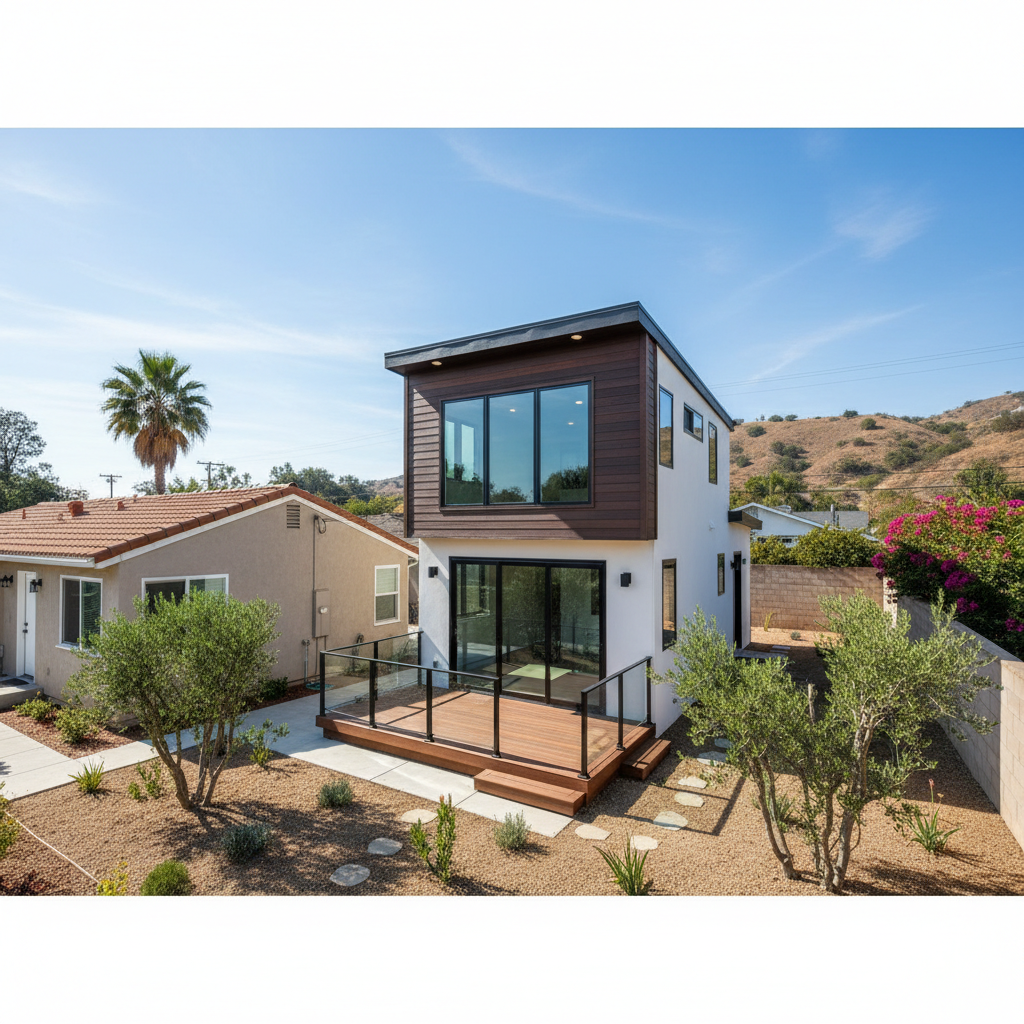
Ever wonder why some ADUs just feel better than others right here in San Diego? Honestly, a lot of it comes down to really understanding our unique climate and how it impacts everything — from the design choices we make to when you should even think about breaking ground. I’ve been building these things for years, and I can tell you, ignoring the seasons is just a rookie mistake.
When to Schedule Your ADU Project
Timing is everything, no doubt about it, especially when you're talking construction. Here in San Diego, we're pretty lucky; we don't have those harsh winters that shut down sites for months on end. But that doesn't mean every single day is perfect for every task. For big jobs like excavation and foundation work, you absolutely want to steer clear of our 'rainy season,' which usually runs from November through March. Sure, we don't get a ton of rain, but even a few heavy downpours can turn a trench into a muddy mess, delaying everything. Sometimes, if it's not handled right, it can even mess up soil compaction. Nobody wants that headache, believe me.
I always tell folks, if you can swing it, try to get your foundations poured and framing up during the drier months — roughly April to October. This gives us the best shot at smooth, uninterrupted progress. Once the structure is enclosed, the interior work is much less likely to get held up by the weather, so you've got more wiggle room there. Planning ahead is super important. Don't wait until spring to start talking to us; get those plans drawn up in the fall or winter so you're totally ready to hit the ground running when the weather's on your side.
Weather Conditions That Impact Work
Beyond just rain, San Diego's weather has its own little quirks. Our coastal fog, especially in May and June (you know, 'May Gray' and 'June Gloom'), can be a real pain for exterior painting or stucco work. High humidity means things take longer to dry, and if you rush it, you're just asking for problems down the road. We've also got those Santa Ana winds. They're typically a fall and winter thing, but they can pop up anytime. While they dry things out fast, they also kick up a ton of dust and can make working on roofs or with large panels pretty hazardous. Safety's always number one, so sometimes we just have to pause certain tasks when those winds really start howling.
Then there's the heat. July, August, and September can get pretty darn hot, especially inland, away from the immediate coast. This affects our crew's productivity and means we have to schedule carefully, often starting earlier in the day. It also impacts materials. Concrete needs to cure properly, and extreme heat can make it dry too quickly, leading to cracking. We're always mindful of these conditions and adjust our methods to ensure quality, no matter what Mother Nature throws at us.
Protecting Your ADU Investment Year-Round
Once your ADU is built, you'll want to keep it in tip-top shape, and that means thinking about our local climate all year long. For starters, consider proper ventilation. Even though we don't get super humid all the time, San Diego's coastal air can still lead to moisture buildup if it's not managed. Good attic ventilation and bathroom fans are non-negotiable. It helps prevent mold and keeps the air fresh, which is nice.
Our sunshine, while lovely, is relentless. UV rays are brutal on exterior paint, roofing, and even window seals. I always recommend choosing high-quality, UV-resistant materials from the get-go. Regular inspections of your roof and exterior paint every couple of years can catch small issues before they become big, expensive problems. Look for cracking, peeling, or fading, you know? Also, pay attention to drainage. Even in a drought year, when it *does* rain, it can come down hard. Make sure gutters are clear and downspouts direct water away from the foundation. I've seen homes in neighborhoods like North Park with older drainage systems get water intrusion because they weren't designed for modern rainfall patterns.
For cooling, good insulation and efficient windows are your best friends. A well-insulated ADU stays cooler in the summer and warmer on those occasional chilly winter nights, saving you money on utilities. Consider exterior shading like awnings or strategically planted trees on the west and south sides to reduce direct sun exposure. For San Diego ADU Solutions, we always factor these things into our designs. It’s not just about building it; it’s about building it smart for our specific environment so it lasts and performs well for you for decades.