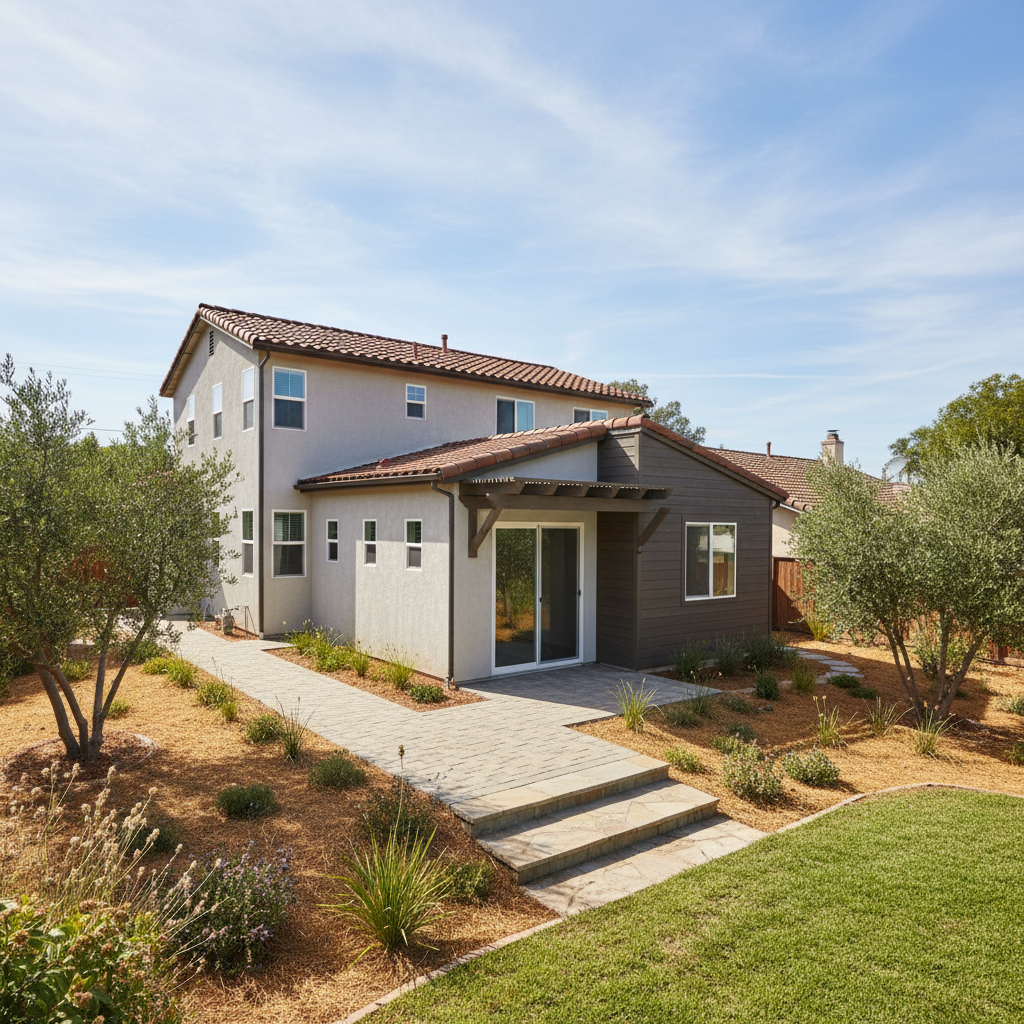
So, you've decided to add an Accessory Dwelling Unit (ADU) to your San Diego property. That's a smart move, no doubt, whether you're thinking about family, bringing in some rental income, or just need more space. But before you even start dreaming about paint colors, you've got to get through the engineering part. And honestly, that's where a lot of people stumble if they aren't ready for it.
Understanding the ADU Engineering Timeline
Folks always ask me, "How long does this whole engineering thing actually take?" My honest answer? "It depends." But I can definitely give you a pretty good idea of what to expect. Generally, from the moment you bring an engineer on board until you have a full set of plans ready for permitting, you're looking at somewhere between 8 and 16 weeks. Sometimes it takes longer, especially if the site has tricky conditions or if you're a bit slow making decisions – and who isn't sometimes?
Here's a rough breakdown:
- Initial Site Visit & Data Collection: About 1-2 weeks. Your engineer needs to come out, check out the land, look at your existing utilities, and get a feel for the topography. This step is super important for things like figuring out the foundation design and how drainage will work.
- Preliminary Design & Calculations: This is the real brain-power part, taking about 3-6 weeks. They're designing the foundation, the framing, all the seismic bracing, and making sure everything meets code. Since San Diego is in an active seismic zone, this isn't just a quick sketch; it's really detailed work.
- Drafting & Plan Production: Once the designs are solid, they get turned into a complete set of blueprints, usually taking 2-4 weeks.
- Revisions & Client Review: This can take anywhere from 1 to 3 weeks, but honestly, it can swing wildly. You'll get a chance to look over the plans. Don't rush this part. Ask questions. Make sure everything lines up with your vision and what your architect drew up.
- Final Stamping & Submission Prep: Just about 1 week. After everything's approved, the engineer stamps the plans, making them official and ready for the city's permitting department.
Keep in mind, these are just the engineering timelines. This doesn't even include the time the city takes to review and approve your permits, which can easily add several more months.
What to Expect During the Process
It's more than just getting a stack of drawings; it's a team effort. You'll be working closely with your architect (if you have one) and the engineer. Here's what usually happens:
- Lots of Questions: The engineer will pepper you and your architect with questions. They need to really understand the proposed structure, its size, how it connects to existing utilities, and exactly what you're trying to accomplish.
- Site Visits: Expect at least one, and often more, visits to your property. They're looking for things like soil conditions – this is especially critical if you're in an area with expansive clay soils, which we see a lot of in places like Rancho Peñasquitos. They'll also check for slopes, any existing structures, and where your utilities are.
- Technical Jargon: Don't ever hesitate to ask for clarification. Engineers, bless their hearts, speak a very specific language. If they're talking about shear walls, hold-downs, or grade beams and you're drawing a blank, just ask. It's your project, after all, and you deserve to understand every bit of it.
- Coordination: A good engineer will talk with your architect to make sure their structural design fits perfectly with the architectural vision. They'll also think about practical things like where plumbing and electrical lines will go.
How to Prepare for Your ADU Engineering Project
Getting ready ahead of time is absolutely key to a smooth process. You wouldn't build a house without a solid foundation, right? So you shouldn't start engineering without doing some groundwork.
- Have Your Architectural Plans Ready: This isn't optional. The engineer can't design the structure if they don't know what it's supposed to look like. Get your architectural drawings – floor plans, elevations, sections – all finalized before you even bring the engineer into the picture.
- Know Your Budget (Roughly): While engineering costs are separate from the actual construction, having a general idea of your overall budget helps the engineer make smart design choices. Sometimes there's more than one way to achieve a structural goal, and some are just plain more expensive than others.
- Understand Your Property: Dig up any old surveys, soil reports, or previous construction plans you might have. This information can really save the engineer time and, more importantly, save you money.
- Be Responsive: When the engineer or their team sends you questions or plans to review, get back to them quickly. Delays on your end mean the whole project gets pushed back.
What Questions to Ask Before Signing a Contract
This part is all about protecting yourself and making sure you're picking the right partner for your project. Don't just jump at the first quote you get. Here are some really important questions:
- "What exactly is included in your scope of work?" Make sure it covers everything: foundation, framing, seismic, drainage, and any specific challenges your site might have.
- "What's your estimated timeline for each phase?" Get that in writing.
- "What are your fees, and how are they structured?" Is it a flat fee, hourly, or a percentage? What happens if the city asks for revisions?
- "Do you have experience with ADUs in San Diego, especially in my neighborhood or with similar site conditions?" Experience with local codes and common San Diego issues (like building on a hillside or dealing with specific soil types) is truly priceless.
- "What's your process for communicating with me and my architect?" You want someone who's easy to reach and who takes initiative.
- "What happens if the city requires significant revisions to your plans?" Understand if there will be extra costs for those.
- "Can you give me references from other ADU homeowners you've worked with?" Always, always check references.
- "What's your professional liability insurance coverage?" This protects you if there's an error in their design.
Choosing the right structural engineer is a huge deal. They are, quite literally, designing the backbone of your new ADU. So take your time, ask those tough questions, and make sure you feel totally confident in their expertise. Here at San Diego ADU Solutions, we've seen firsthand how a solid engineering plan makes all the difference. Get it right, and your build will go so much smoother.