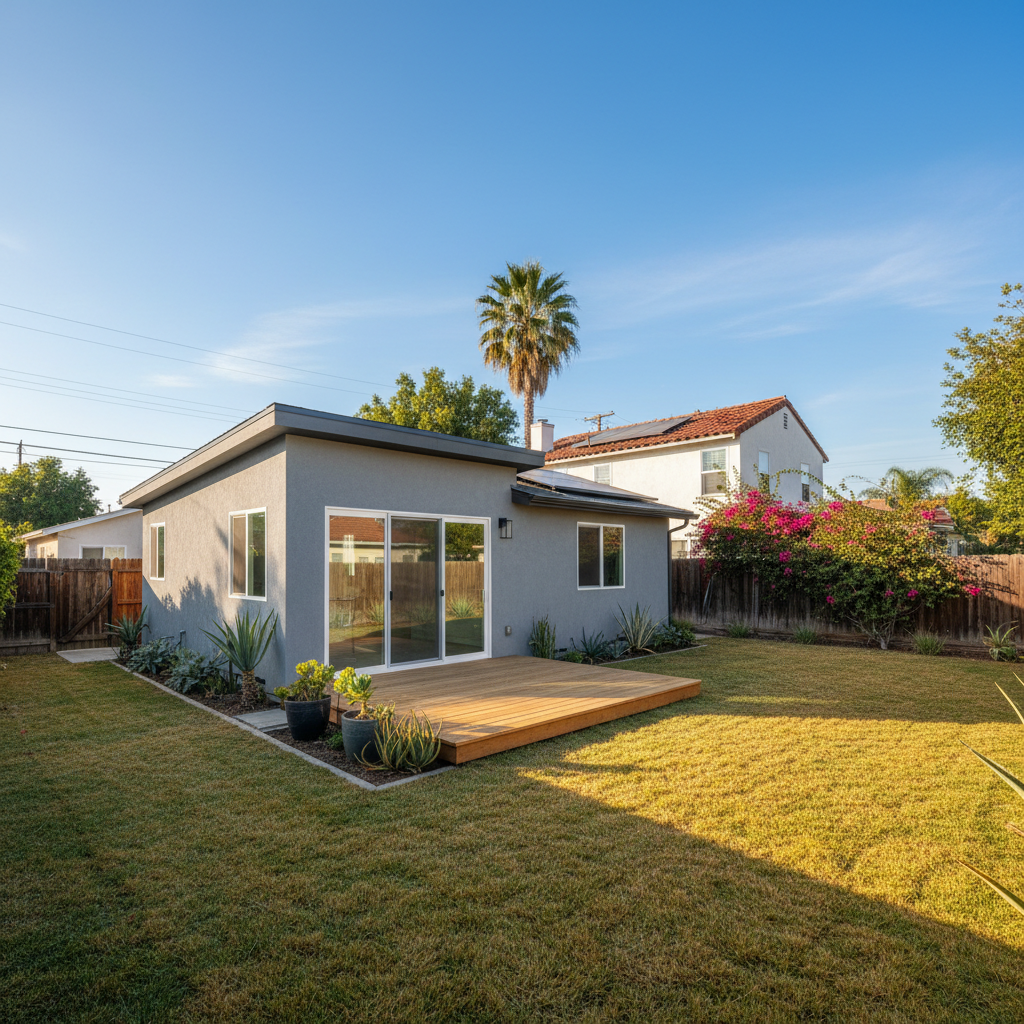
So, you've got yourself a shiny new ADU, or maybe you're just thinking about building one. Good for you, seriously. It's a big investment, whether you're using it for family, renting it out for income, or just want your own private escape. But an investment isn't something you can just 'set and forget.' You wouldn't buy a new car and then never change the oil, right? Your ADU is exactly the same. You want this place to last, to hold its value, and to avoid those nasty, expensive surprises down the road. That's where smart maintenance really comes in.
Keeping Your ADU Around Longer: It's Easier Than You Think
The good news is, most of what makes your ADU last longer isn't rocket science. It's really about being proactive and paying attention. Think of it as preventative care. When we build an ADU here at San Diego ADU Solutions, we use good quality materials made for our climate, but even the best stuff needs a little TLC.
First off, keep an eye on the outside. That San Diego sun, as wonderful as it is, can be pretty tough on paint, siding, and roofing. And cleaning your gutters regularly? That's huge. We don't get a ton of rain, but when it does come down, you really don't want clogged gutters sending water pouring down your walls or pooling around the foundation. That's a surefire recipe for dry rot and structural problems, especially in older neighborhoods where the clay soil can expand and contract. Just a simple annual gutter cleaning could save you thousands, believe it or not.
Landscaping around your ADU matters, too. Keep those plants trimmed back from the foundation and walls. Roots can mess with foundations and plumbing, and foliage pressed against the siding traps moisture, which just invites pests and rot. Give your ADU a little breathing room, okay?
What Does "Regular Maintenance" Actually Mean?
Okay, so what does "regular" really look like? Thankfully, it's not a daily chore list. Most of it is seasonal or annual stuff.
- Every Three Months: Check your HVAC filters. A dirty filter makes your unit work harder, which costs you more in electricity and shortens its life. It's a five-minute job, tops. Also, give your plumbing a quick once-over. Run all the faucets, flush the toilets, and check under sinks for any drips. Take a look at your water heater for signs of leaks or corrosion.
- Once a Year: This is when you tackle the bigger things. Clean those gutters I just mentioned. Inspect your roof for cracked tiles, loose flashing, or any debris buildup. Even a tiny crack can turn into a huge leak during our winter rains. Check your exterior paint and the caulk around windows and doors – touch up any spots that are peeling or cracking to stop water from getting in. And please, test your smoke and carbon monoxide detectors.
- Every Few Years: Depending on what kind of siding you have, you might need to power wash the outside to get rid of dirt and mildew. If you've got wood siding or decking, plan on re-sealing or re-staining it.
Oh, and don't forget about pest control. We definitely have our share of ants, spiders, and even termites around here. Regular inspections, especially near the foundation and any wood parts, are a smart move.
Signs You Really Shouldn't Ignore
Your ADU will usually tell you when something's off, if you just pay attention. Don't brush these signals aside:
- Water Stains: On ceilings, walls, or even the floor. This is a big deal. It means water is getting in where it absolutely shouldn't. Don't wait on this one.
- Musty Odors: Especially in closets, bathrooms, or near the foundation. That's usually mold or mildew, and you need to deal with it for both health and structural reasons.
- Cracks: Small hairline cracks in drywall are often just cosmetic, no biggie. But large, spreading cracks, particularly in foundations or exterior walls, could point to structural movement.
- Slow Drains or Gurgling Pipes: Could be a simple clog, sure, but it might also signal a bigger problem in your sewer line.
- Strange Noises from HVAC: Grinding, squealing, or banging sounds mean something's wrong with your heating and cooling system.
- Pest Evidence: Sawdust-like material, mud tubes, or actual bugs are pretty clear signs you've got some uninvited guests.
Catching these things early can save you a ton of headaches and money. A small leak you ignore, for instance, quickly becomes a huge repair bill that includes mold remediation.
When to Call a Professional
Look, I'm a contractor, so naturally I'm going to tell you to call a pro when you need one. But honestly, it's really about knowing your limits. Some things are totally DIY-friendly; others just aren't. Here's when you absolutely should pick up the phone:
- Any Structural Concerns: Big cracks, sagging floors, or leaning walls. This is not a DIY project, folks. Call a structural engineer or a reputable general contractor like us.
- Roof Leaks: Unless it's a super obvious, easy fix like a dislodged shingle you can safely reach, roofing is best left to the experts. Falling off a roof just isn't worth saving a few bucks.
- Electrical Issues: Flickering lights, outlets not working, burning smells. Electricity is dangerous. Don't mess with it, seriously.
- Major Plumbing Leaks or Sewer Backups: A small drip under the sink? Maybe you can handle that. A burst pipe or a sewage backup? Call a plumber right away.
- Persistent Pest Infestations: If you've got termites or rodents that just won't quit, you need professional pest control.
- HVAC Malfunctions: If your unit isn't heating or cooling properly, or it's making strange noises, call an HVAC technician.
The bottom line is, your ADU is a valuable asset. Taking care of it isn't just about preventing problems; it's about preserving your investment and making sure it serves you well for years and years. A little attention really does go a long way.