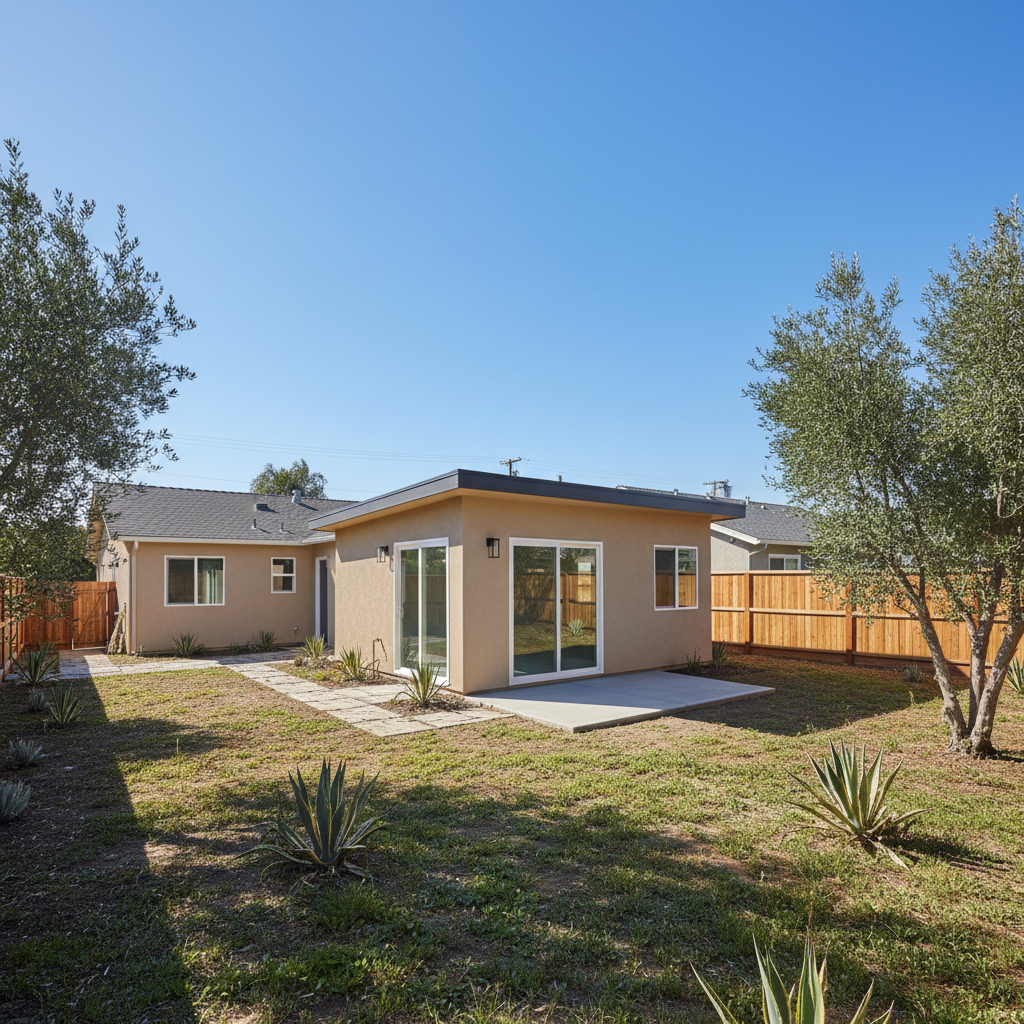
So, you're thinking about adding an Accessory Dwelling Unit (ADU) to your San Diego property. That's a really smart move, whether you're planning for family, hoping for some rental income, or just need extra space. But hold on a second – before you get too far down that road, you absolutely have to nail the engineering. It's not just about drawing pretty pictures, you know? It's about making sure your ADU stands solid, meets all the city codes, and doesn't cause you headaches later on. Let's talk about how to plan this out.
Understanding the ADU Engineering Timeline
People always ask me, "How long does this whole engineering thing *really* take?" And honestly, it varies quite a bit. There are a lot of moving parts, that's for sure. Generally, though, you're looking at a few distinct phases, and each one eats up some time.
- Initial Site Assessment & Concept: Before anyone draws anything serious, you need to figure out what's even possible on your specific lot. This means checking setbacks, utility access points, and zoning rules. Your architect or designer usually handles this part, but the engineer needs to chime in early on things like soil conditions or if you've got a tricky slope. This stage? It can take a couple of weeks to a month, depending on how complex your site turns out to be.
- Structural Engineering & Foundation Design: Okay, this is where the *real* engineering kicks off. Your engineer will design the foundation, the framing, and the roof structure. They'll think about things like seismic activity – we are in California, after all – and the exact soil type on your property. For instance, if you're in an area with expansive clay soils, which are pretty common in parts of Rancho Peñasquitos, your foundation design will be way more involved than if you're sitting on solid bedrock. This phase usually takes 3-6 weeks, sometimes longer if there are unique challenges or if the architect's plans need significant tweaks to be structurally sound.
- Utility & Civil Engineering: Don't forget about getting water, sewer, power, and gas to your new ADU. This might involve civil engineering for grading, drainage, and all those utility connections. If you need to run new sewer lines or upgrade your electrical panel, that's part of this stage. Pencil in another 2-4 weeks here.
- Plan Check & Revisions: Once all the engineering drawings are finished, they head over to the City of San Diego for plan check. This is often the longest and most unpredictable part of the whole shebang. The city reviews absolutely everything to make sure it complies with all building codes. They'll probably send back comments or ask for revisions. Your engineer will address these, and then the plans go back for re-review. This back-and-forth can easily take 2-4 months, or even longer if there are big issues. Just be patient; it's just how the process works.
So, from the very beginning to finally getting those stamped plans, you're realistically looking at 4 to 8 months, sometimes even more. It's not a sprint; it's definitely a marathon.
What to Expect During the Engineering Process
It's not just about sitting around waiting for drawings, you know. You'll be involved, too. Expect regular chats with your engineer and architect. They'll ask you questions, explain your options, and offer recommendations. You'll probably see the engineer or their team out on your property a few times for site visits to check things out firsthand. They'll look at existing structures, the lay of the land, and access points. Sometimes, they'll need to coordinate with other specialists, like a geotechnical engineer for soil reports, especially if your lot has a noticeable slope or a history of grading.
You might feel like a lot of technical jargon is flying around. Don't be shy – ask questions! It's *your* project, and you need to understand what's happening. A good engineer will explain things in plain English, not just "engineer-speak."
How to Prepare Your Property and Yourself
Getting ready is super important for a smooth process. Here's what you can do:
- Gather Existing Plans: If you have any old survey maps, original house plans, or previous renovation permits for your property, dig them out. These can be incredibly helpful for your engineer, saving them time and you money.
- Clear the Site (Mentally): Think about access. Can equipment easily get to where you want the ADU? Are there trees or structures that will need to go? While you don't need to physically clear anything yet, having a clear idea helps the engineer plan.
- Define Your Vision: Work closely with your architect or designer to finalize your ADU's layout and features. The more locked-in your design is *before* engineering starts, the fewer costly revisions you'll need later. Changes during engineering are expensive and time-consuming, trust me.
- Budget for the Unexpected: Engineering often uncovers things you didn't anticipate, like needing a deeper foundation or a more complex drainage system. Always have a contingency fund tucked away in your overall ADU budget.
- Be Responsive: When your engineer or architect asks for information or approval, get back to them quickly. Delays on your end mean delays for the whole project.
Questions to Ask Before Signing a Contract
Before you commit to an engineering firm, you need to make sure they're the right fit for you. Don't just go with the first quote you get. Here are some really important questions to ask:
- What's your experience with ADUs specifically in San Diego? You really want someone who knows the local codes and the common challenges we face here. We at San Diego ADU Solutions, for example, work with engineers who specialize in just this.
- Can you give me references from other ADU homeowners? Talk to their past clients. Ask about communication, how timely they were, and how they handled any challenges that popped up.
- What's included in your fee? Get a detailed breakdown. Does it cover site visits, structural calculations, foundation design, utility connections, and addressing plan check comments? What about revisions if the city asks for them?
- What's your estimated timeline for each phase? Get a realistic schedule. While things can definitely change, a good engineer will give you a clear expectation from the start.
- Who will be my main point of contact? You don't want to get lost in a big firm, right? Know who you'll be communicating with directly.
- How do you handle unforeseen issues? Things come up, they just do. How will they tell you about potential problems and what solutions do they propose? What's their process for change orders?
- Are you insured and licensed in California? This is absolutely non-negotiable. Verify their license with the California Board for Professional Engineers, Land Surveyors, and Geologists.
Choosing the right engineering team is a huge step in your ADU journey. Take your time, ask the tough questions, and make sure you feel confident in their expertise. Getting it right upfront will save you a lot of headaches and money down the road.